
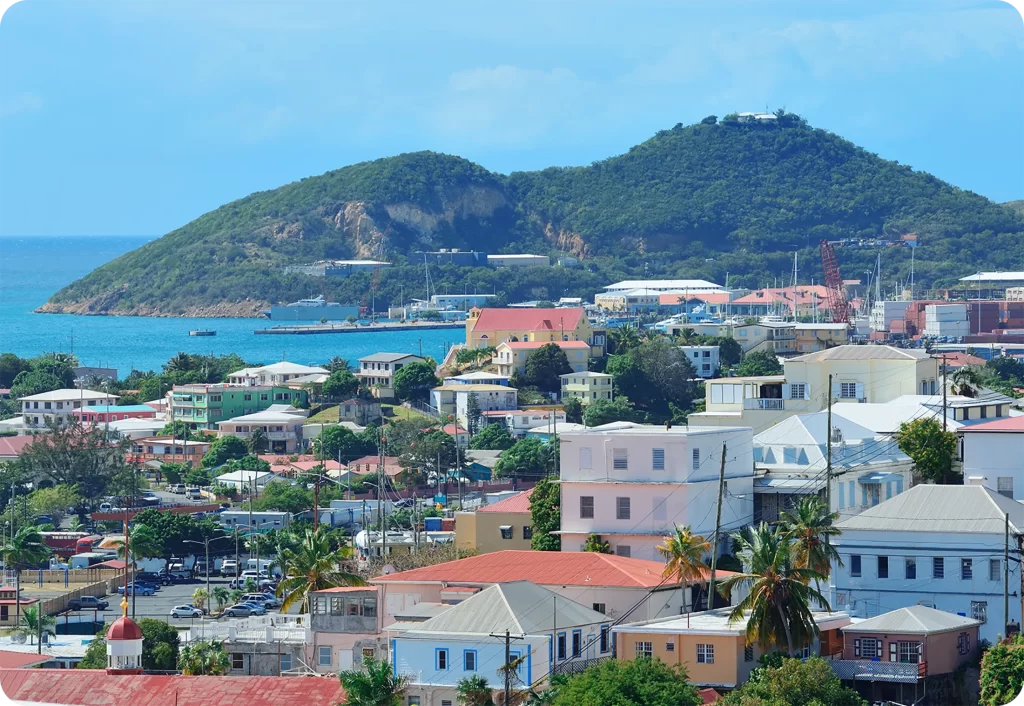
The landscape for Caribbean Citizenship by Investment (CBI) has drastically transformed. Driven by intense regulatory pressure from the European Union, the United States, and the United Kingdom, the “Caribbean Five”—Antigua & Barbuda, Dominica, Grenada, St. Kitts & Nevis, and St. Lucia—have permanently dismantled the old operational model.
For prospective clients, the days of sub-$100,000, fully remote, hands-off passport acquisition are gone. Today’s applicants face a much steeper, heavily scrutinized, and legally complex path to securing secondary global mobility.
The 4 Major Difficulties Facing CBI Clients Today
1. The Doubling of Financial Thresholds
Following the historic pan-Caribbean Memorandum of Agreement (MoA), all five nations established a strict minimum price floor. This effectively doubled the base entry cost for investors across the region.
- The Reality: Donation options that previously cost $100,000 now command a baseline minimum of $200,000 to $250,000 for a single applicant.
- Real Estate Bottlenecks: Real estate thresholds have climbed to $300,000–$325,000. Combined with skyrocketing due diligence, legal, and processing fees, the true capital outlay is significantly higher than ever before.
2. The Geopolitical Threat to Visa-Free Travel
The primary value driver for a Caribbean passport—unfettered global mobility—is facing existential headwinds.
- The EU Ultimatum: The European Commission updated its Visa Suspension Mechanism to allow the mere operation of a CBI scheme to serve as grounds for removing visa-free access. The EU formally requested that Caribbean nations phase out their programs by June 2028 or risk losing Schengen Area access entirely. While nations like Antigua & Barbuda are actively fighting this demand, the uncertainty heavily weighs on clients.
- US & UK Watchlists: Security concerns have triggered heightened scrutiny, including leaked US State Department warnings regarding potential travel restrictions for certain CBI jurisdictions.
3. Stricter Compliance and Mandatory Vetting
The application process is no longer a simple paperwork exercise. Enhanced due diligence frameworks have been implemented region-wide to clean up the market’s image.
- Mandatory Interviews: Main applicants and adult dependents must now clear rigorous virtual or biometric interviews.
- Regional Data Sharing: Rejections are no longer isolated. The establishment of the centralized Eastern Caribbean Citizenship by Investment Regulatory Authority (EC-CIRA) means a single rejection in one country is instantly shared, blacklisting the applicant across all five jurisdictions.
4. The Emergence of Physical Presence Requirements
Historically, a major perk of Caribbean CBI was that clients never had to set foot in their new home country. This is rapidly changing.
- Post-Approval Obligations: Driven by regional harmony agreements, states are introducing physical residency expectations. Programs are steadily transitioning toward a model requiring new citizens to spend at least 30 days within the country during their first five years of citizenship. This introduces logistical and travel planning burdens for busy global business owners.
- Conclusion: A Mature Market for Intentional Investors
- The difficulties faced by today’s CBI clients are undeniable, but they come with a silver lining. The elimination of “discounted” under-the-table pricing and the introduction of institutional-grade vetting mean that a Caribbean passport is a much cleaner, more reputable, and more stable asset.
- For investors willing to navigate higher costs and more intense scrutiny, the Caribbean remains a highly viable legal home base—provided they align with a realistic, multi-layered global mobility strategy.